What 2.4 Million Retail Calls Show About Order-Status Automation

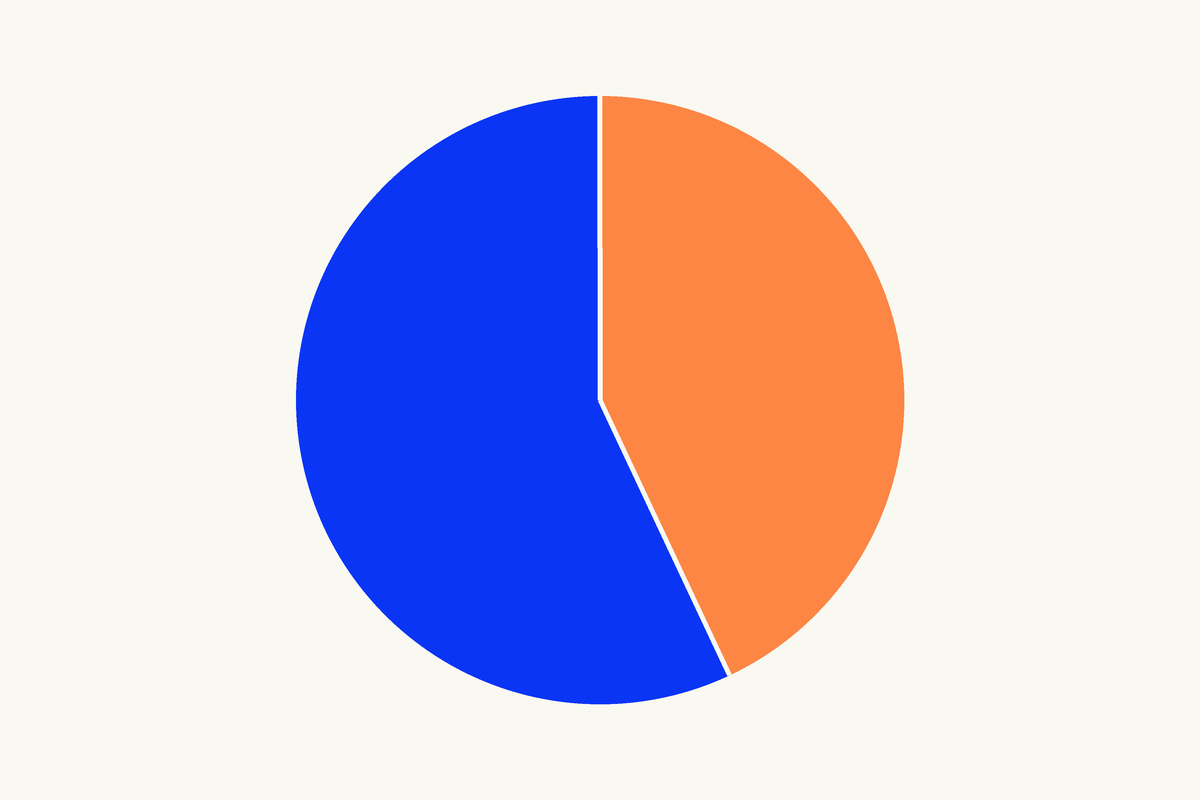
In 2.4 million retail calls, only 41% were resolved, and retail had the lowest caller sentiment of any vertical in Replicant's benchmark set. Order-status calls are where automation pays off first.
What are order-status calls?
An order-status call comes from a shopper who already bought something and wants to know where it is. 'Where is my order' is the question, and the answer sits in an order system.
The caller wants one fact. The fact is the same kind of fact every time: a carrier, a date, a status.
Why do order-status calls matter in retail?
They make up a large share of retail contact center demand. A shopper who calls to ask where an order is has already paid. A slow or wrong answer lands on a customer who has no other complaint.
What does 41% resolved tell a retail team?
It tells you that most retail calls end without the caller's request being completed. Resolution counts calls where the caller got the answer or finished the task, with no repeat call. Containment counts calls that never reached a person. A call can be contained and unresolved, which is why Replicant reports both: resolution and containment.
In the benchmark, the retail figure is 41%, and sentiment on the calls was the lowest in the set.
Why is order status the first call to automate?
Three reasons.
- The answer lives in a system, so an AI agent can read it and say it.
- The call has a clear finish: the shopper heard the status, or the carrier link was sent.
- The volume repeats, so every call type you resolve takes the same work off your team every day.
What should stay with people?
Calls that need judgment stay with a person who has the order history in front of them: a damaged item, a disputed charge, a lost package with an angry shopper. An AI agent hands those calls over with the details already collected, so the shopper does not start again.
How should a retail team sequence automation?
Start with the call types that have a clear answer in a system, such as order status and delivery windows. Add calls with a short action next, such as a return label. Keep judgment calls with people. The Industry Benchmark Report: Retail maps retail call types by how ready each is to automate and how much value it carries.
What should you ask a vendor?
Three questions.
- What share of my order-status calls end with the shopper's question answered, and how do you count a shopper who hangs up halfway?
- Which call types do you recommend I keep with people, and why?
- What does my team receive when your AI agent hands a call over?
FAQ
What are order-status calls?
Order-status calls come from shoppers asking where an order is, when it arrives, or whether it shipped. The answer sits in an order system, which makes the call a good fit for an AI agent.
What resolution rate do retail contact centers see?
In Replicant's benchmark of 2.4 million retail calls, 41% were resolved.
Can an AI agent handle 'where is my order' calls?
Yes. An AI agent reads the order system and tells the shopper the status. Calls that need judgment, such as a damaged item, go to a person with the details already collected.
What is the difference between containment and resolution?
Containment counts calls that never reached a person. Resolution counts calls where the shopper's request was completed. A call can be contained and unresolved.