What 1.8 Million Consumer-Lending Calls Show About Loan Servicing Automation
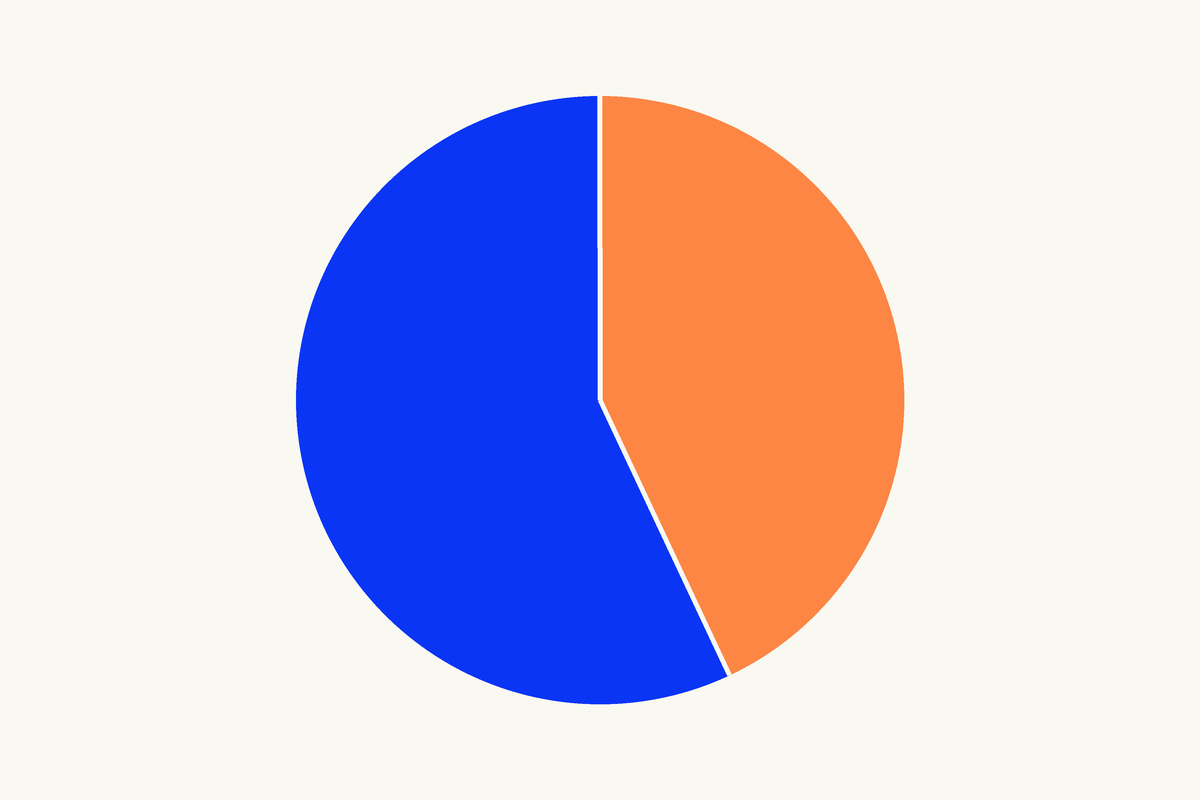
In 1.8 million consumer-lending calls, servicing calls were about half the volume, only 43% of calls were resolved, and 1 in 4 callers abandoned. Servicing is where automation pays off first.
What are loan servicing calls?
Loan servicing calls come from borrowers who already have a loan. They ask about a balance, a payment, a due date, or a payoff amount. The caller wants one answer from the lender's system, and the answer is the same kind of answer every time.
That sameness is what separates servicing from origination, where a caller is deciding whether to borrow and each conversation turns on that person's circumstances.
Why is loan servicing the first place to automate?
Because the call follows a pattern and the answer lives in a system. The report finds that servicing makes up about half of all lending call volume, so a team that resolves these calls changes the volume its people handle.
A servicing call also has a clear finish. The caller got the balance, made the payment, or heard the payoff figure. That makes resolution measurable, and Replicant measures its AI agents on resolution and containment to understand how many calls are contained and how many calls are solved.
What does it mean that only 43% of calls resolve?
In Replicant’s consumer-lending benchmark of 1.8 million calls, AI agents fully resolved 43% of calls (AI-only, without a transfer, on the first attempt). The caller got the answer or completed the request, and no person had to take the call.
That frees your team for harder work. Balance, payment, and due-date questions come in again and again with the same answers. When AI agents handle those calls, your people spend their time on complex requests that need judgment, such as a borrower working through a hardship.
Another 15% of calls end partially resolved. A borrower often calls with several questions. The AI agent answers the ones it can. When a request is complex, the agent transfers the caller to a representative with the details already collected, so the borrower does not repeat themselves.
AI agents and people work better together because each takes the work that suits it. AI agents handle high-volume, repeatable requests at any time. People handle the calls that need empathy and judgment. Callers get a fast answer to simple questions and an expert person for the hard ones.
What should a lender automate first, and what should stay with people?
The report maps lending call types by how ready each is to automate and how much value it carries. Calls with a clear answer in a system go first. Calls that need judgment, such as a borrower explaining a hardship, stay with a person who has the account history in front of them.
An AI agent hands those calls to a person with the context already collected, so the borrower does not start over.
What do live deployments show?
The report includes measured results from live deployments, covering containment, CSAT and cost savings. Imagine if you could improve your contact center metrics by eliminating repetitive work from your teams and increasing their productivity through automation.

What should you ask a vendor?
Three questions.
- What share of my servicing calls end with the caller's request completed, and how do you count a caller who hangs up halfway?
- Which call types do you recommend I keep with people, and why?
- What do my people receive when your AI agent hands a call over?
FAQ
What are loan servicing calls?
Loan servicing calls come from existing borrowers asking about balances, payments, due dates and payoffs. They make up about half of consumer-lending call volume in Replicant's benchmark of 1.8 million calls.
Can an AI agent handle loan servicing calls?
Yes. AI agents handle the repetitive, rules-based calls, such as balance, payment, and due-date questions. Calls that need personal attention or complex handling, such as a hardship conversation, go to a person with the context already collected.
What resolution rate do consumer-lending contact centers see?
In Replicant's benchmark, 43% of consumer-lending calls were resolved, and 1 in 4 callers abandoned.
What is the difference between containment and resolution?
Containment counts calls that never reached a person. Resolution counts calls where the caller's request was completed. A call can be contained and unresolved.